Chasing a Question Vivian Maier Left Behind.
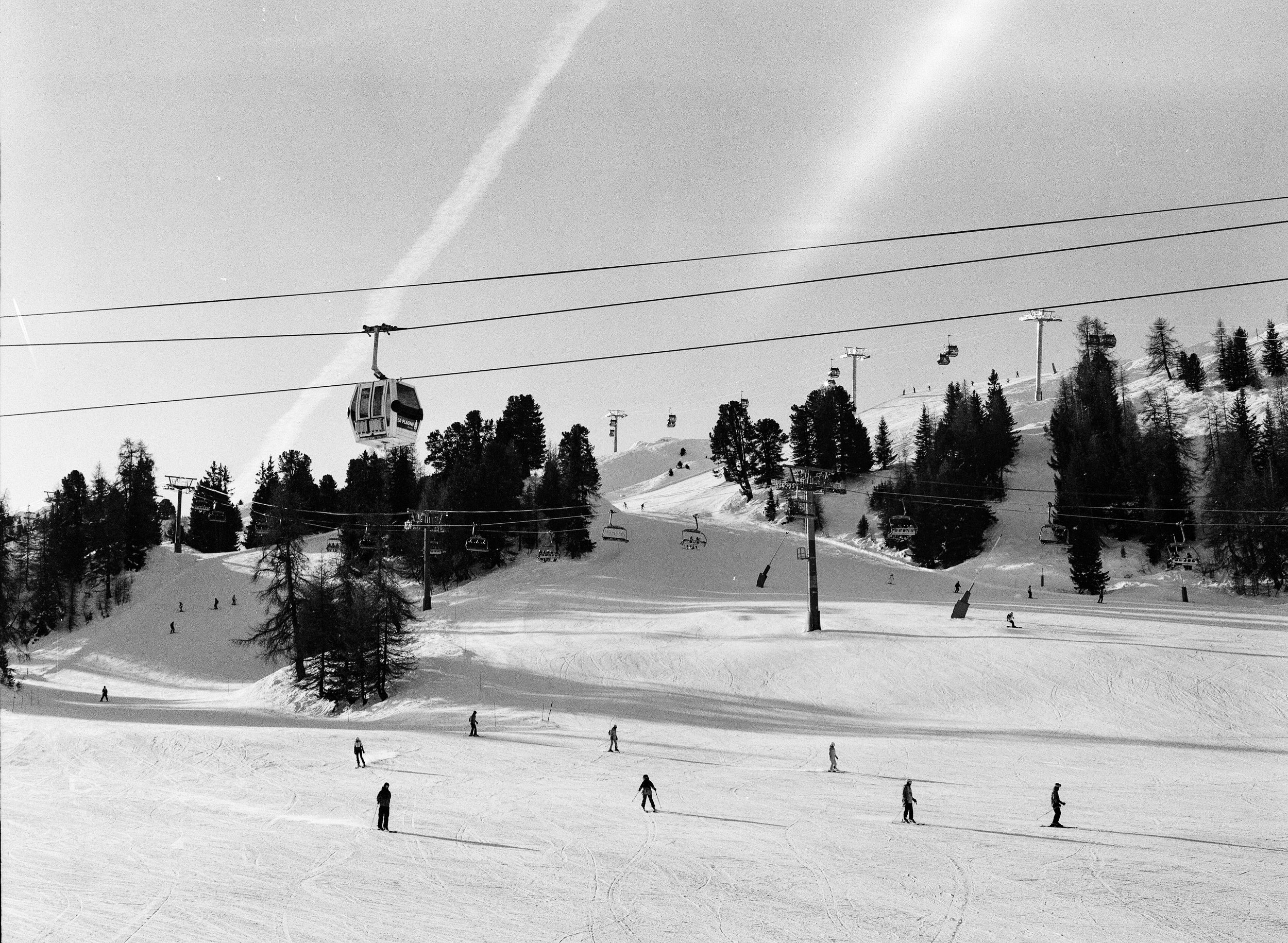
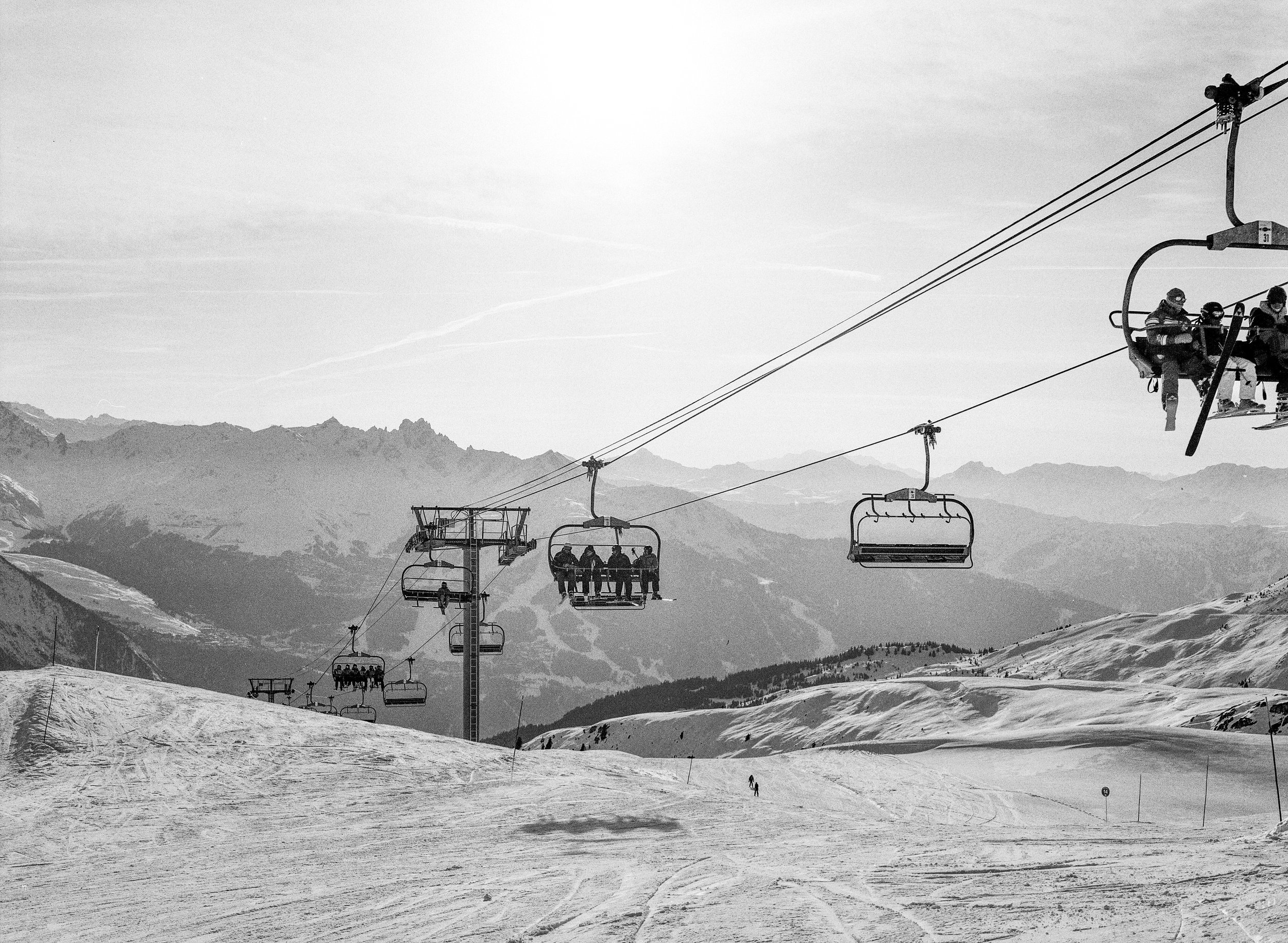
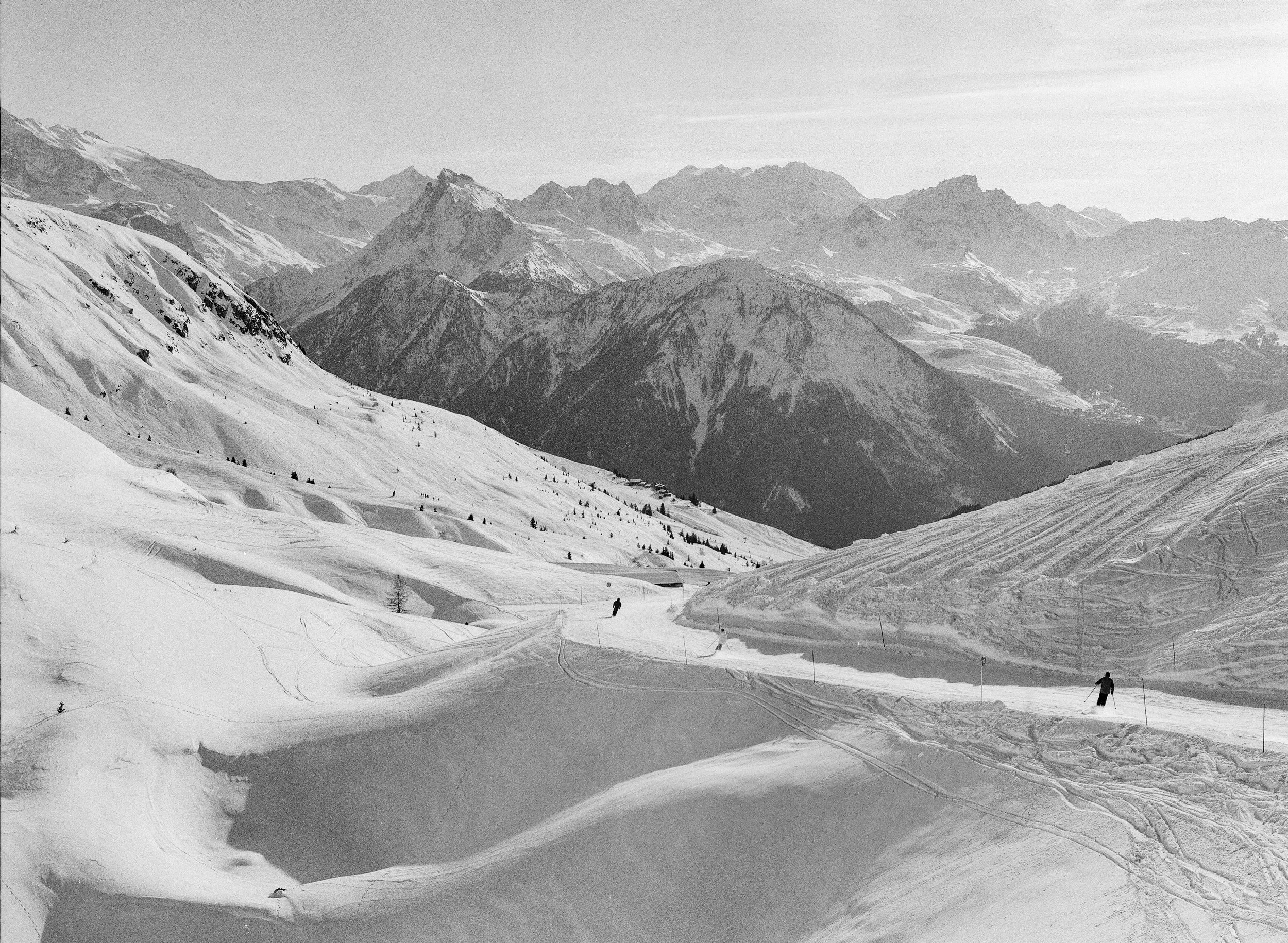
La Plagne Bellecote; Ilford Delta 400 / Bronica
This blog comes from my desk as I’m sat here reviewing my latest delivery of film scans from Take it Easy Lab. They included one roll of Ilford Delta 400, B&W and a roll of Harman Phoenix 200, a fun little alternative if you’re not feeling like remortgaging for some Portra this month.
There’s something about waiting for film scans that already carries a bit of weight and excitement. But this time, it feels heavier. Both of these rolls were shot on medium format. Fewer frames. Bigger negatives. Higher stakes. And far less room for error. Also, one of these rolls was shot in a location that I can’t just ‘pop back’ to.
Film has a way of applying creative pressure and I think that’s partly why I keep coming back to it.
This story actually starts somewhere else entirely.
Rewind back to 2022. I’m walking around Milton Keynes Gallery, taking in an exhibition titled Vivian Maier: Anthology. At this point, all I really know is that it’s meant to be good, an exhibition I’ve been recommended to see about the life’s work of a photographer.
I’m absolutely captivated.
I find myself sitting in the moment of each and every photograph on the gallery walls. Mesmerised. This is the first time I’ve come across the work of Vivian Maier a nanny for over 40 years, based in New York and later Chicago, who lived from 1926 to 2009. In her lifetime, she never published or was recognised for her work. It wasn’t until she defaulted on her storage unit that her negatives were discovered by the person who bought it at auction, hundreds of thousands of images, unseen by the world became celebrated after her death.
She’s now considered one of the most significant photographers of the 20th century.
What struck me wasn’t just the scale of the archive or the story itself, although both are extraordinary, but the feeling in the photographs. They felt observant. Quietly confident. A portrait of an era before technology as we know it, before smartphones and social media. Looking back now, it’s hard not to notice how differently people existed in public, how they dressed, how they carried themselves, how they allowed themselves to be seen.
Vivian’s camera of choice was a twin lens Rolleiflex, and her go-to film was Kodak Tri-X, a black and white film known for its contrast and timeless character, perfectly aligned to her work.
One of the things I kept coming back to, wandering through that exhibition, was how unaware many of her subjects seemed. It felt observant and intimate without being intrusive.
And that’s where my thinking began.
I came to the conclusion that part of this comes down to the camera itself. A top-down camera changes the dynamic entirely. Neither the photographer nor the subject is directly engaged with a lens held to their face, there’s no signal that a photograph is being taken.
I know this because it’s something I’ve used extensively in my documentary wedding photography. Keeping the camera at hip height, moving unassumingly through a scene. If someone does notice, I’ll often distract them, strike up a conversation, shift the focus, anything to take attention away from the camera. More often than not, it works. And when it does, the results feel honest.
When Vivian’s subjects are looking at the camera, it feels different. There’s a sense of occasion. Being photographed in the 50s and 60s meant something. You dressed for it.
Which led me to a question I couldn’t shake.
Could that be achieved today?
We’re constantly documenting ourselves now, a camera in everyone’s pocket, always within reach. We’re either completely passive to it, or hyper-aware when a phone is pointed in our direction. And let’s be honest, especially post-lockdown, we don’t really get dressed up for the everyday anymore, do we?
So I started wondering: if you took a Rolleiflex onto the streets of a modern city; New York, Paris, London, would it instill a sense of occasion? Or would people tell you to do one? Could you still go unnoticed? Could you still capture something timeless? Or are Vivian’s photographs all the more valuable because they document something that simply no longer exists?
At that point, the idea became less about nostalgia and more about testing a theory.
Fast forward to a couple of months ago. I’m standing in a camera shop in Northampton, when I spot a Rolleiflex sitting in the cabinet. I swear I heard a little angelic glow. I snap a photo on my phone, send it to friends with a casual “look what I’ve found”, and for good measure, I post it on my Instagram stories too.
Very much a one day, but not today moment.
A few hours later, I check my messages. There’s one from Keegan, one of my go-to associates. He has one. And I’m welcome to borrow it.
I genuinely couldn’t believe it. I double-checked. He was serious. Not only that, he also had a Bronica, inherited from his grandad, and I was welcome to borrow that too.
Suddenly this vague idea felt a little more real, and a tad scary. Is it time to test this theory?
A few months later, ahead of a weekend trip to London, I popped round to collect them. The London trip felt like a low-stakes test run, a way to start answering some of these questions without jumping straight to a trip to New York with higher stakes.
Before that though, I was heading to the Alps, and Keegan insisted I take the Bronica with me into the mountains. Confident this would be the perfect backdrop to test. So, slightly nervously… I did.
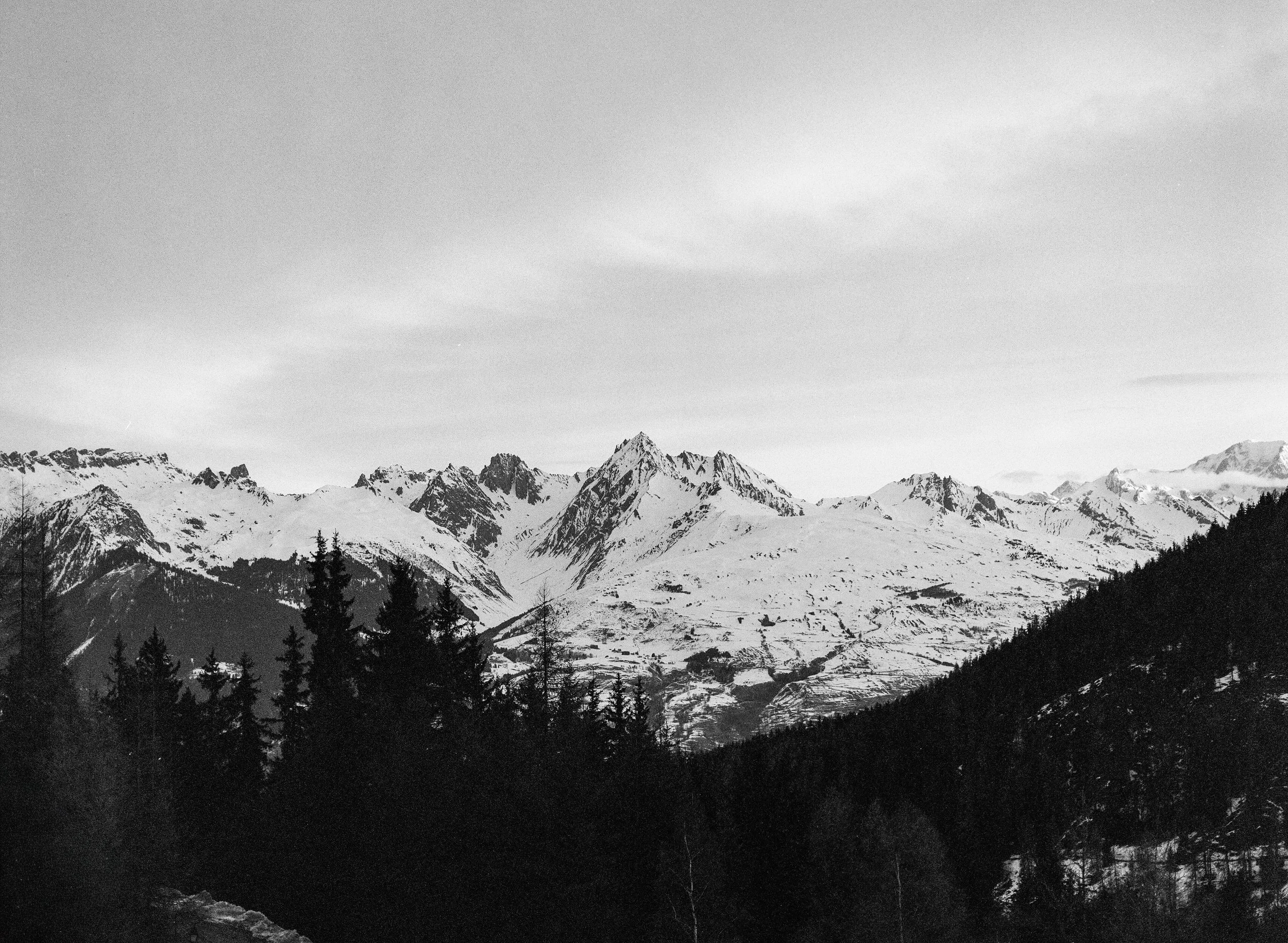
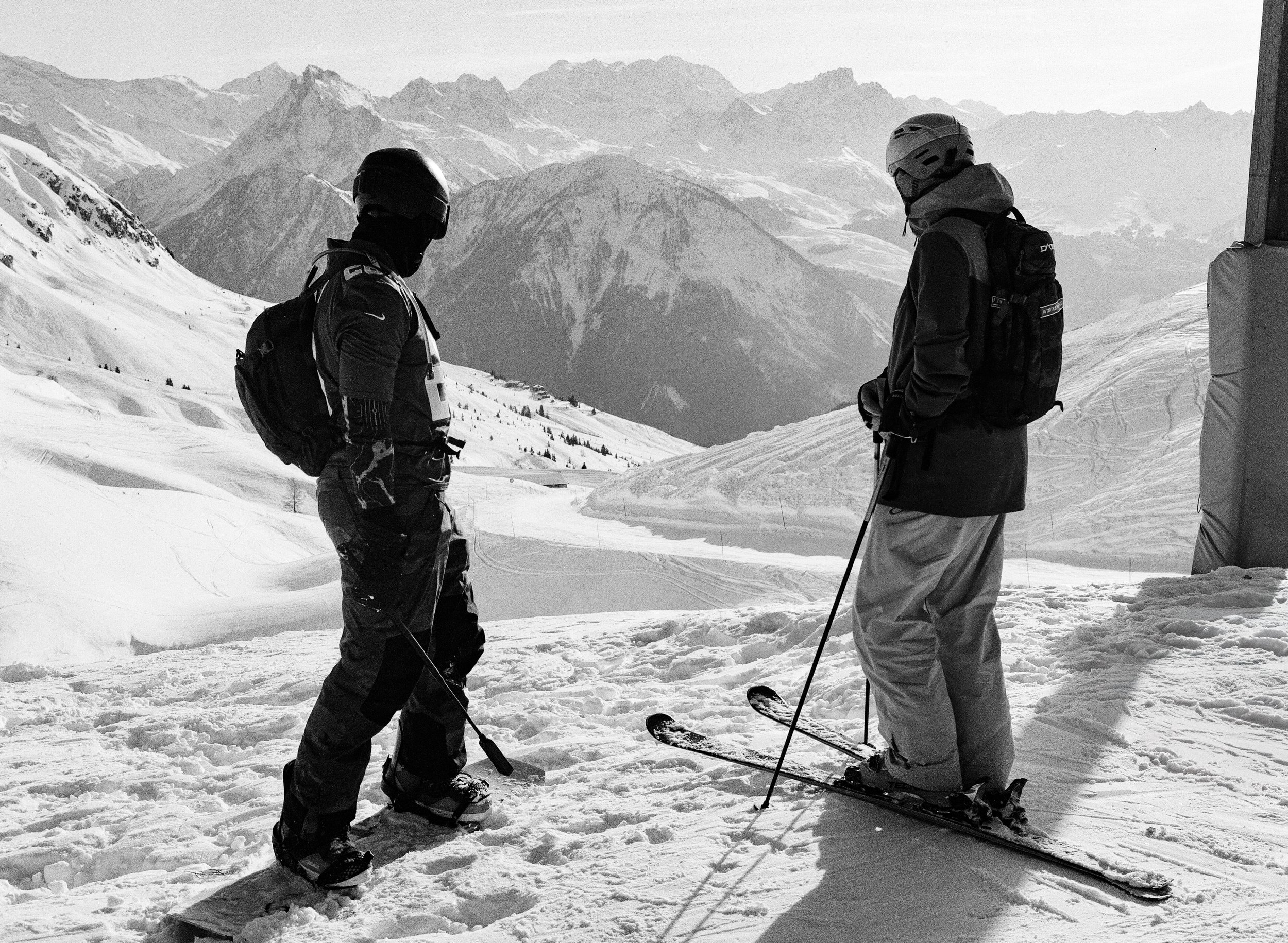
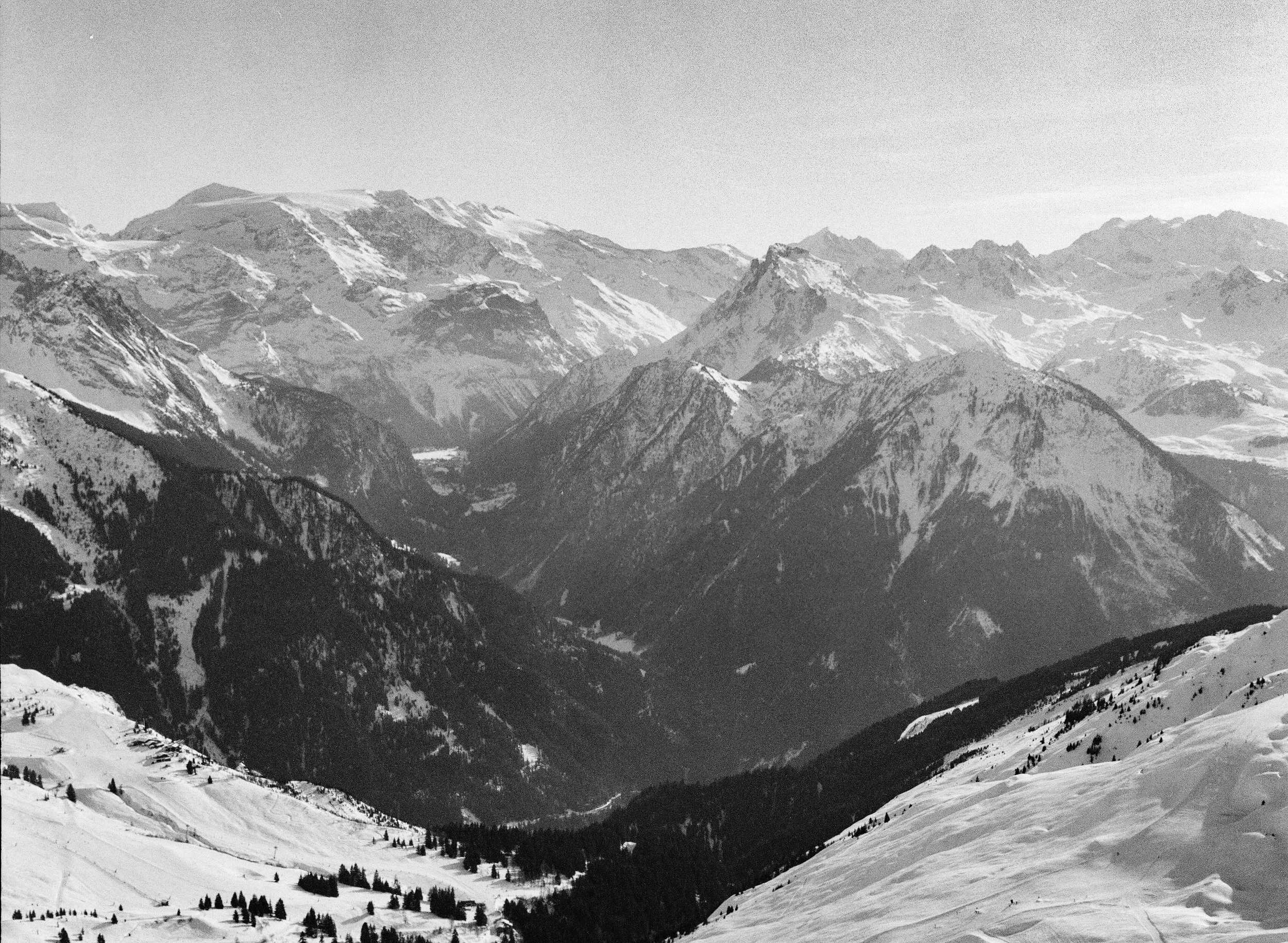
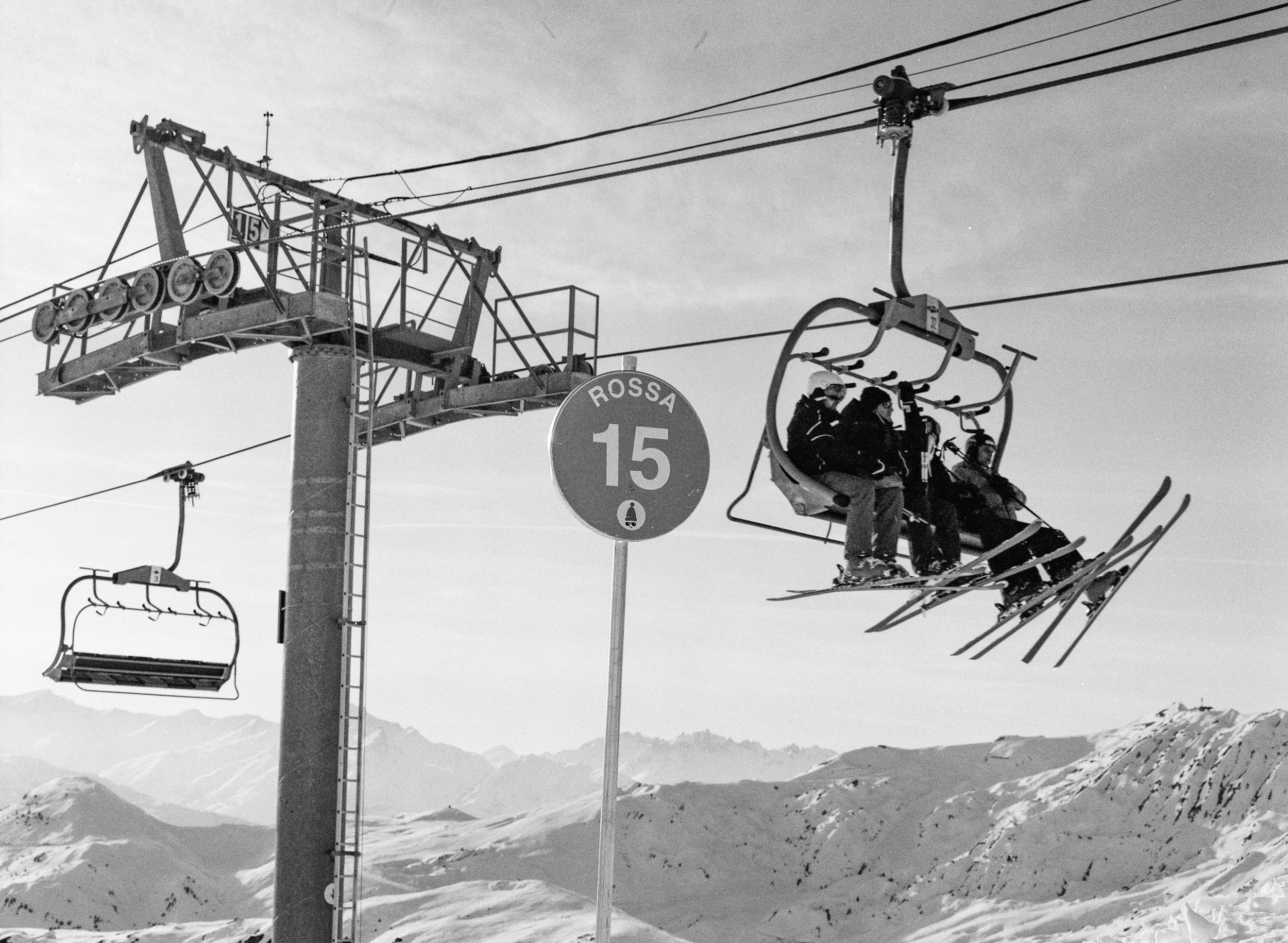
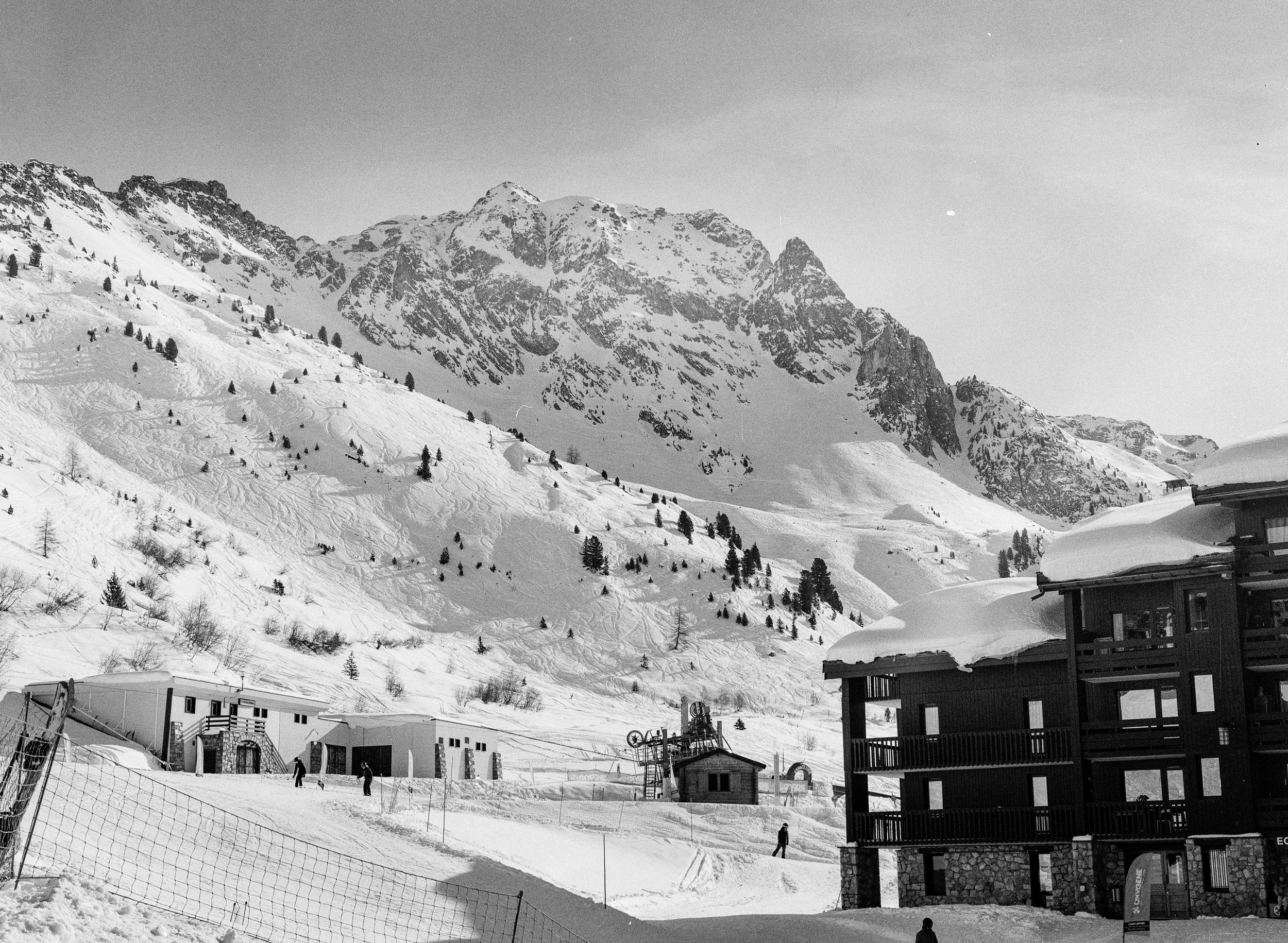
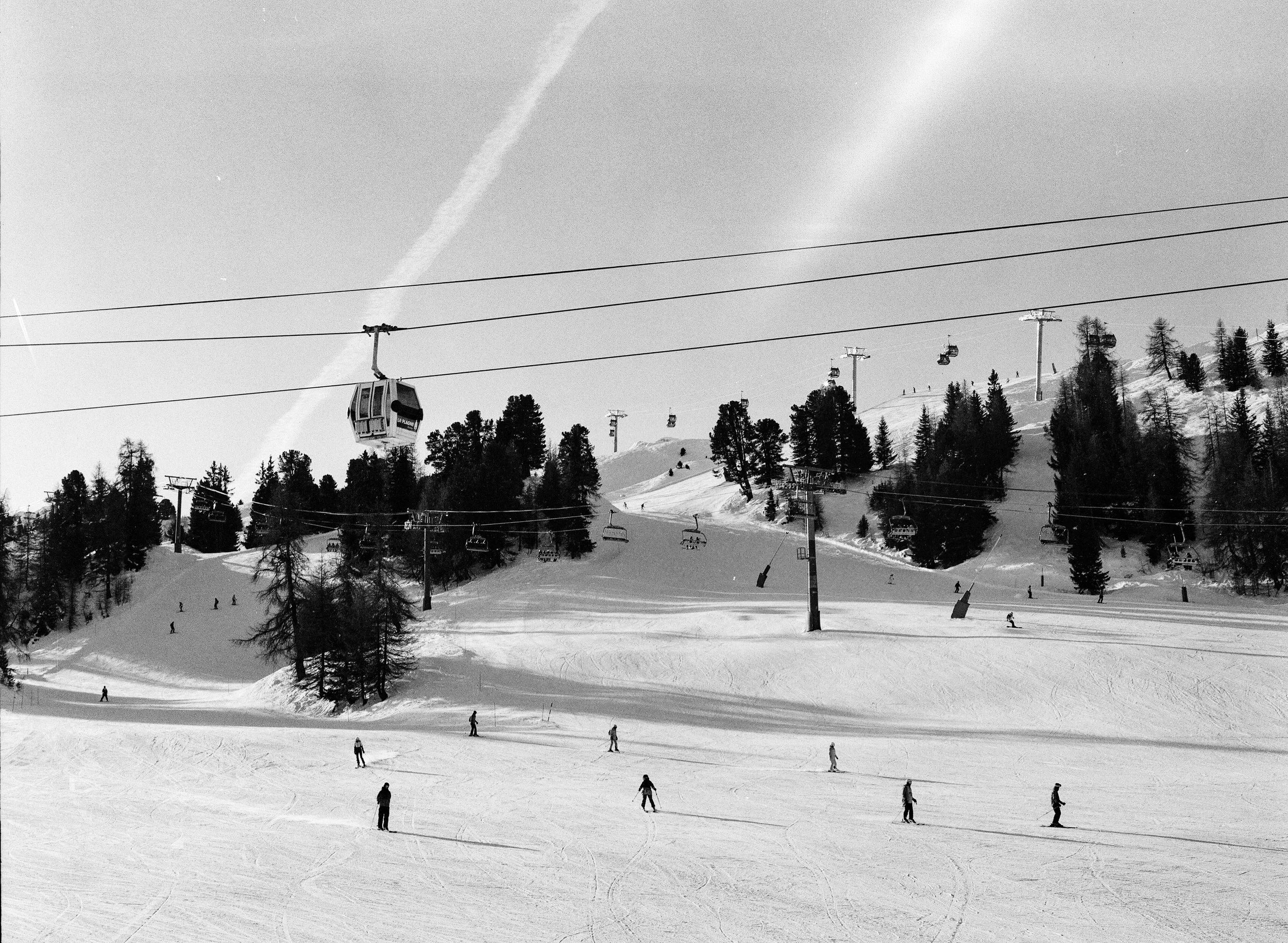
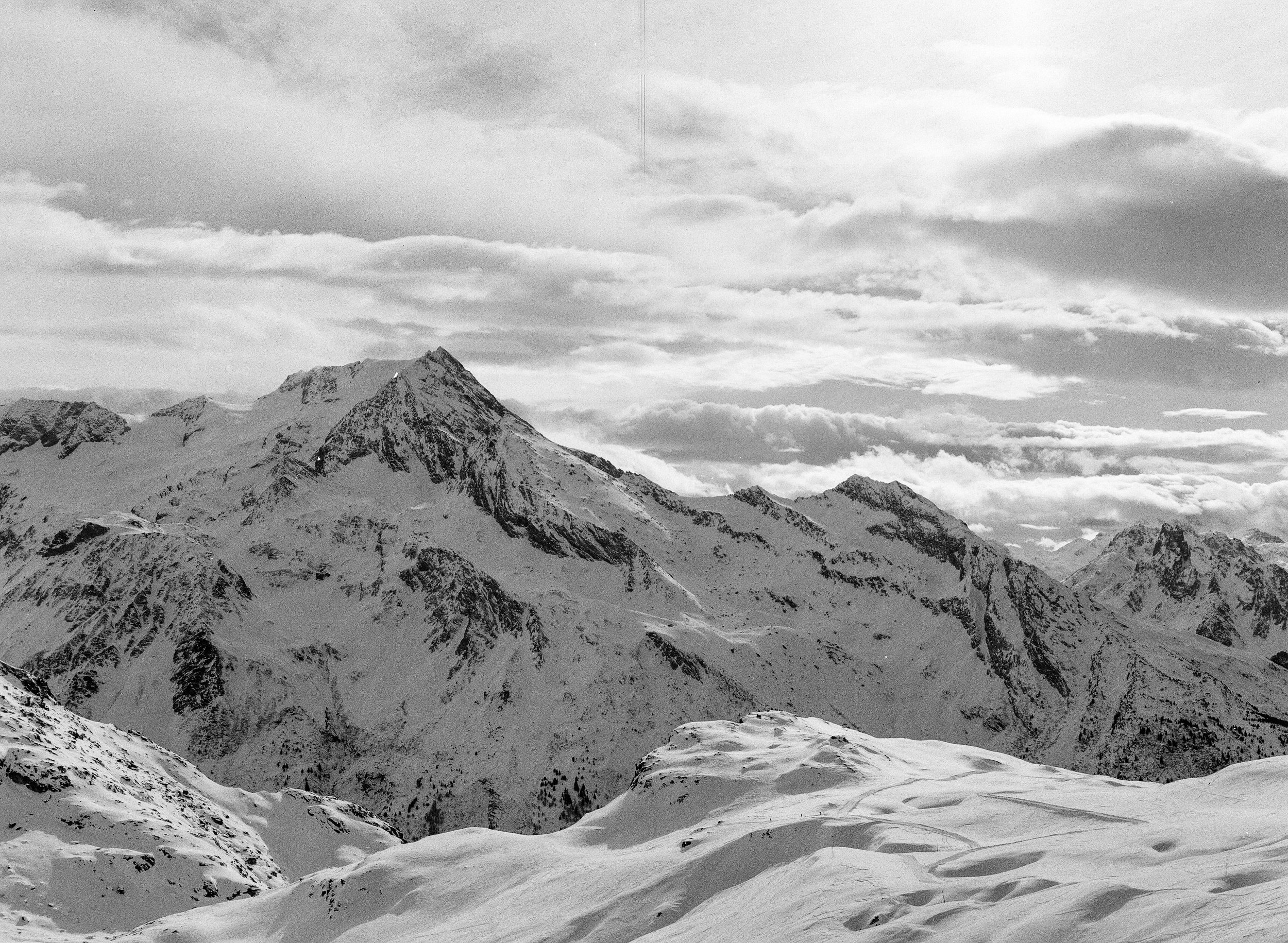
A week later, I’m back in London with a couple of friends, a few rolls of film in our pockets, and both the Rolleiflex and Bronica in tow. One of those days we refer to as a creative day out. Wandering Covent Garden and The Barbican, shooting whatever caught our eye, purely to check that I know what I’m doing with these cameras.
This was the start of the experiment.
And that’s what brings us back to today. Me, sat at my desk, scanning through the results.
One roll? I’m delighted with. A 100% hit rate. In fact, I got 15 shots out of a 12 shot roll. Nothing to complain about there. The other… not so much. A few frames I like, but overall I got complacent, I didn’t keep on top of my exposure and steadiness and film doesn’t forgive that, there’s no ibis to bail you out. There’s no rescuing it in Lightroom. The detail simply isn’t there because it was never captured in the first place.
It’s humbling. And that’s part of the point.
There’s still another roll to come back from the lab, so there are more lessons to be learned yet. But for now, it’s a reminder that film can kick your arse as well as your bank balance and it holds no prisoners.
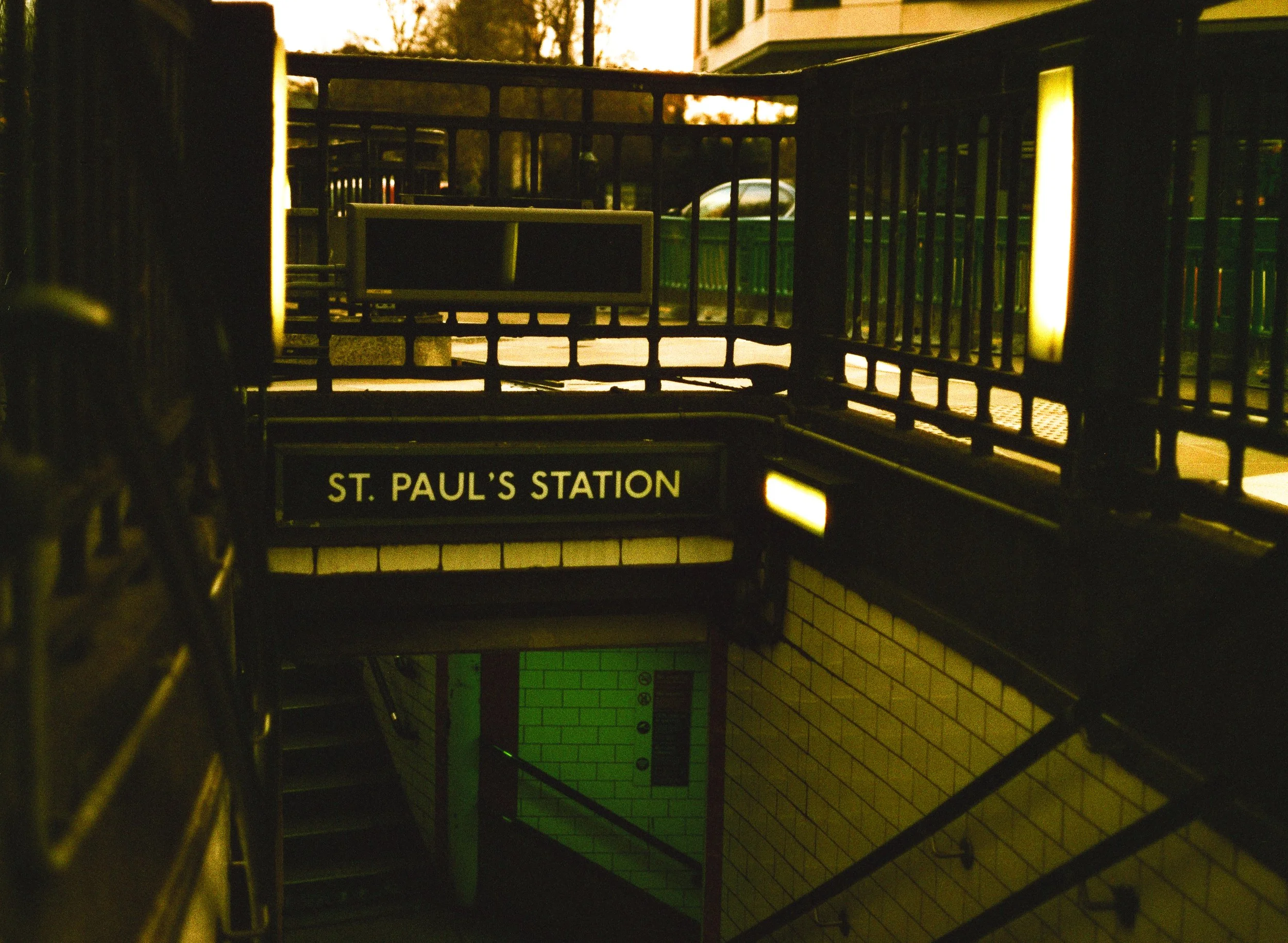
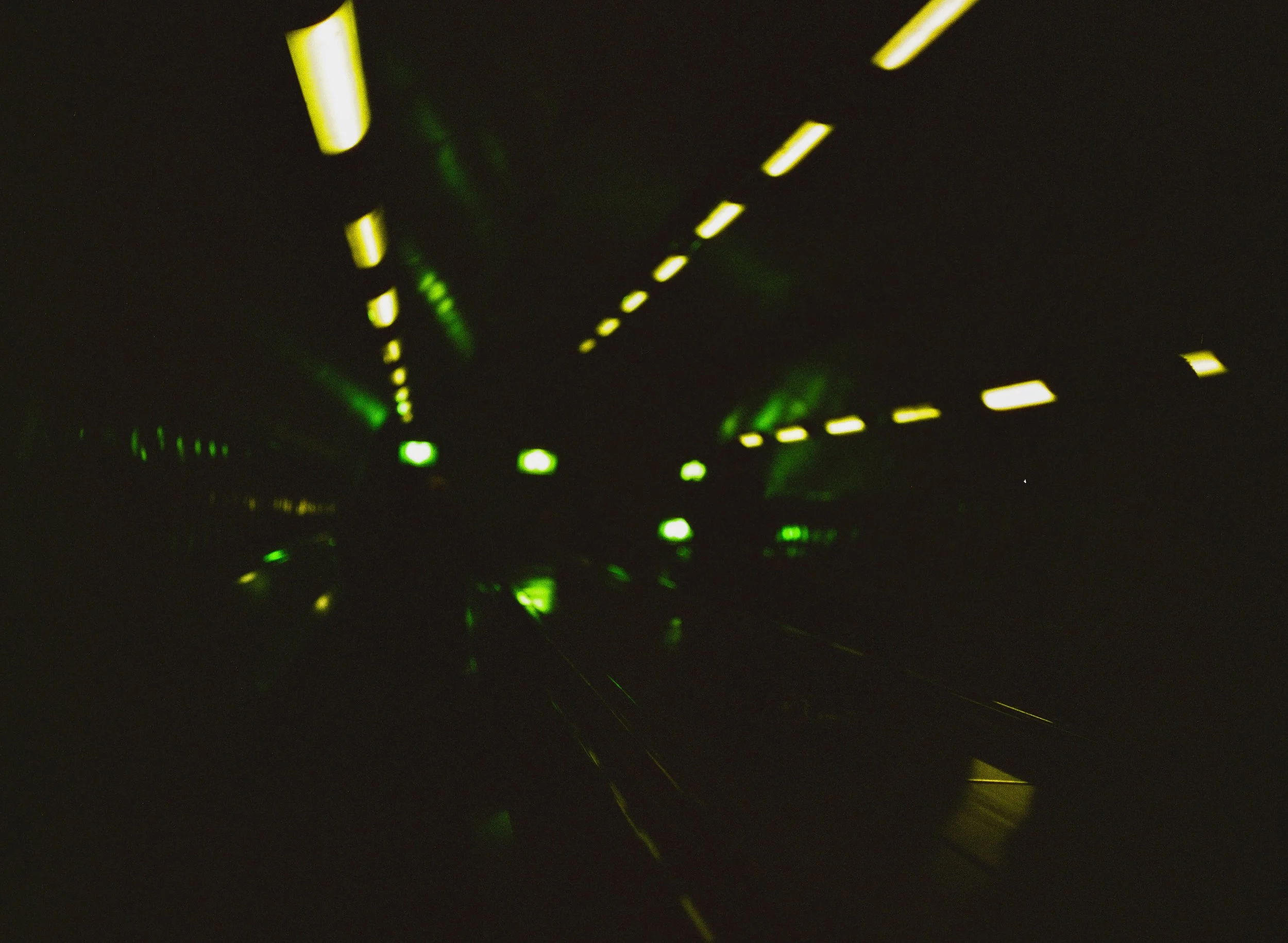
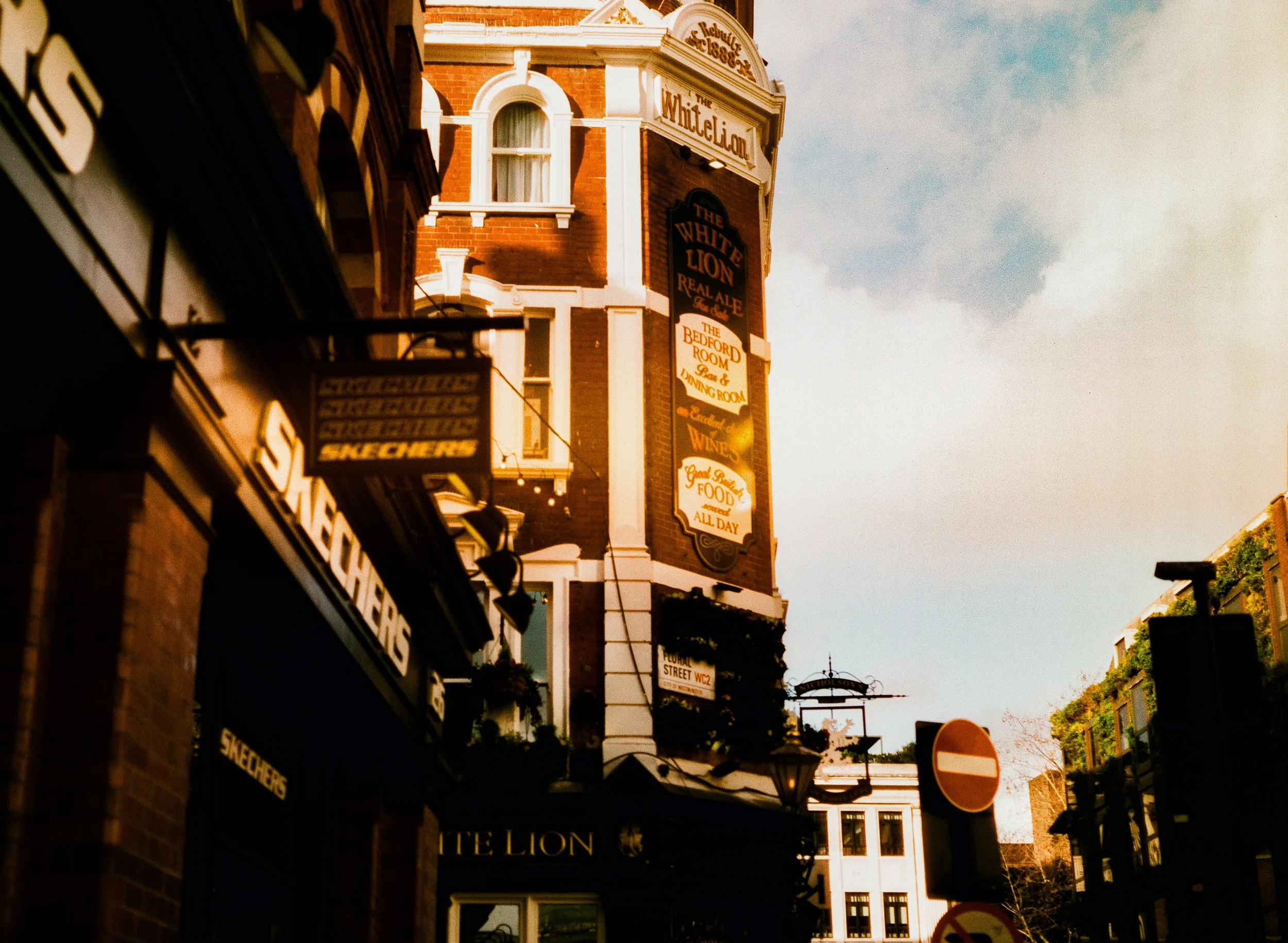
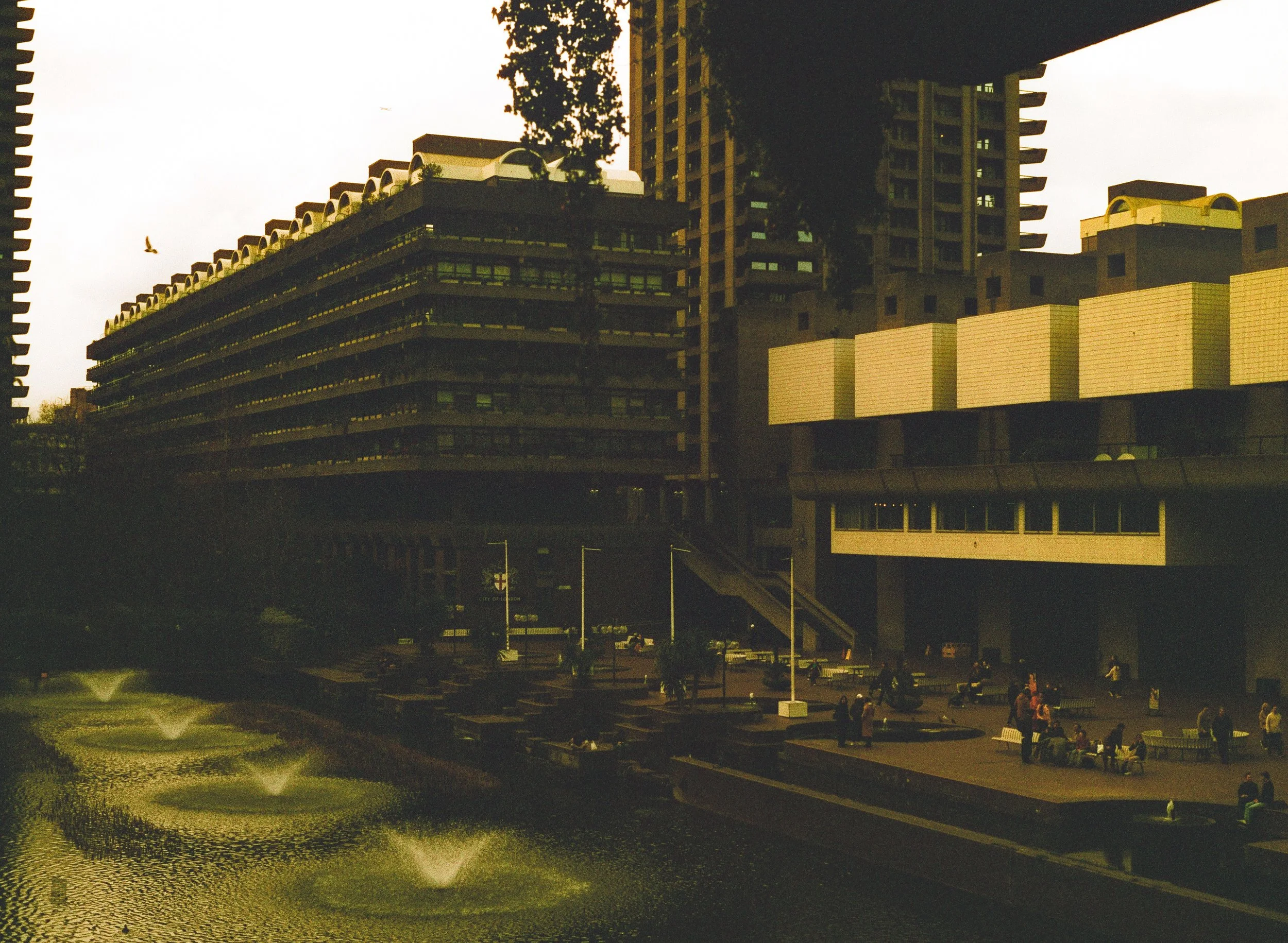
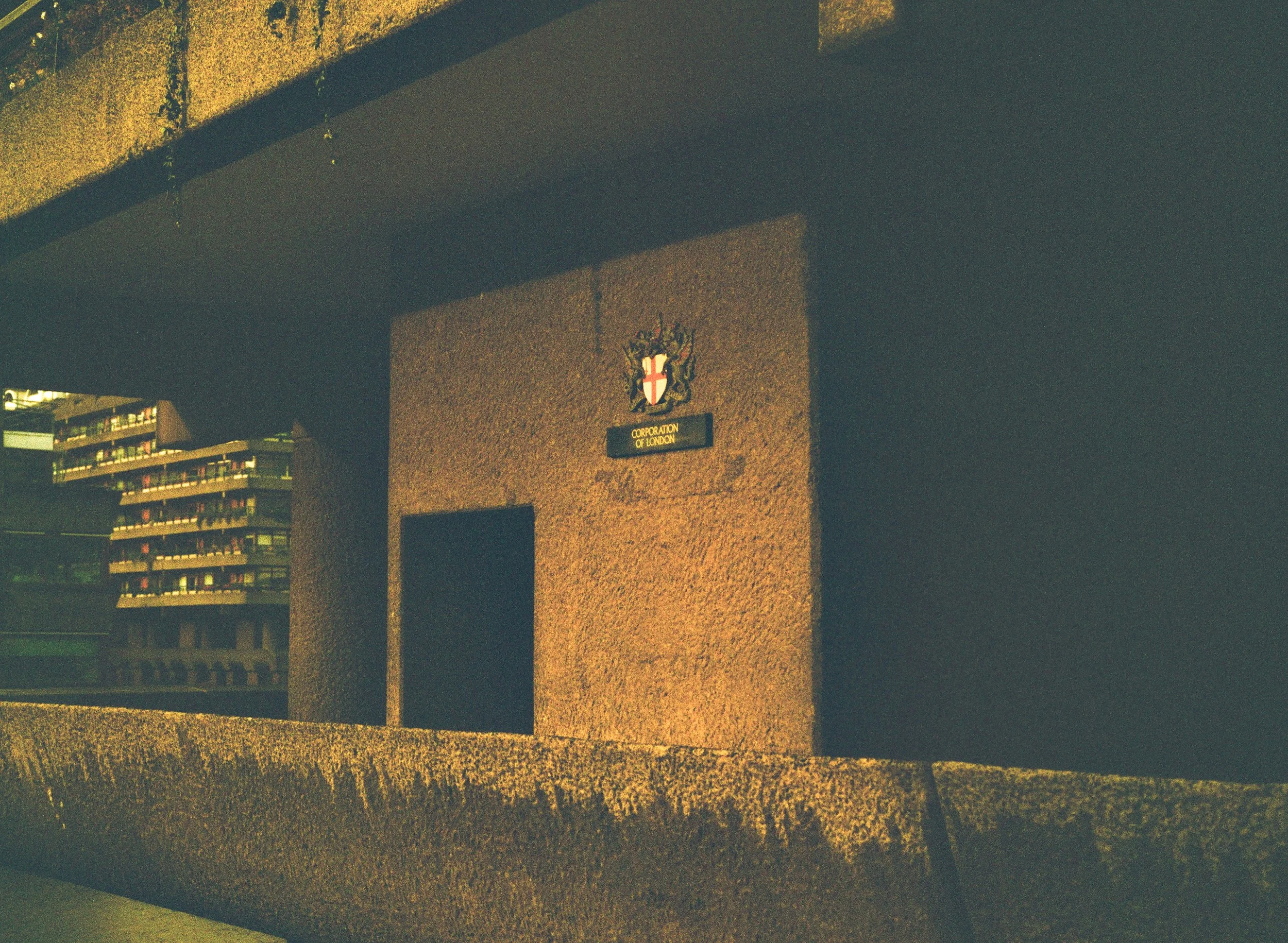
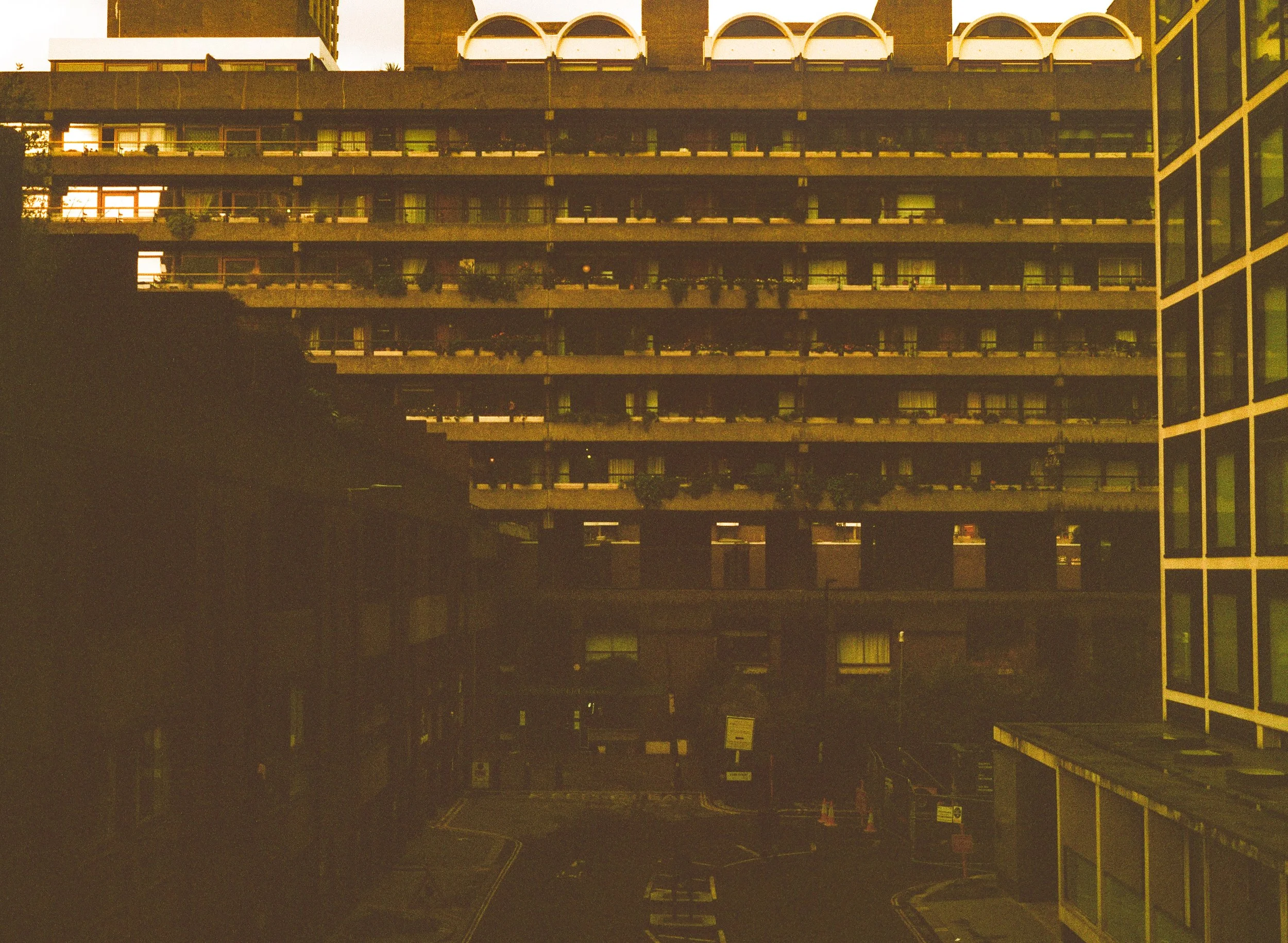
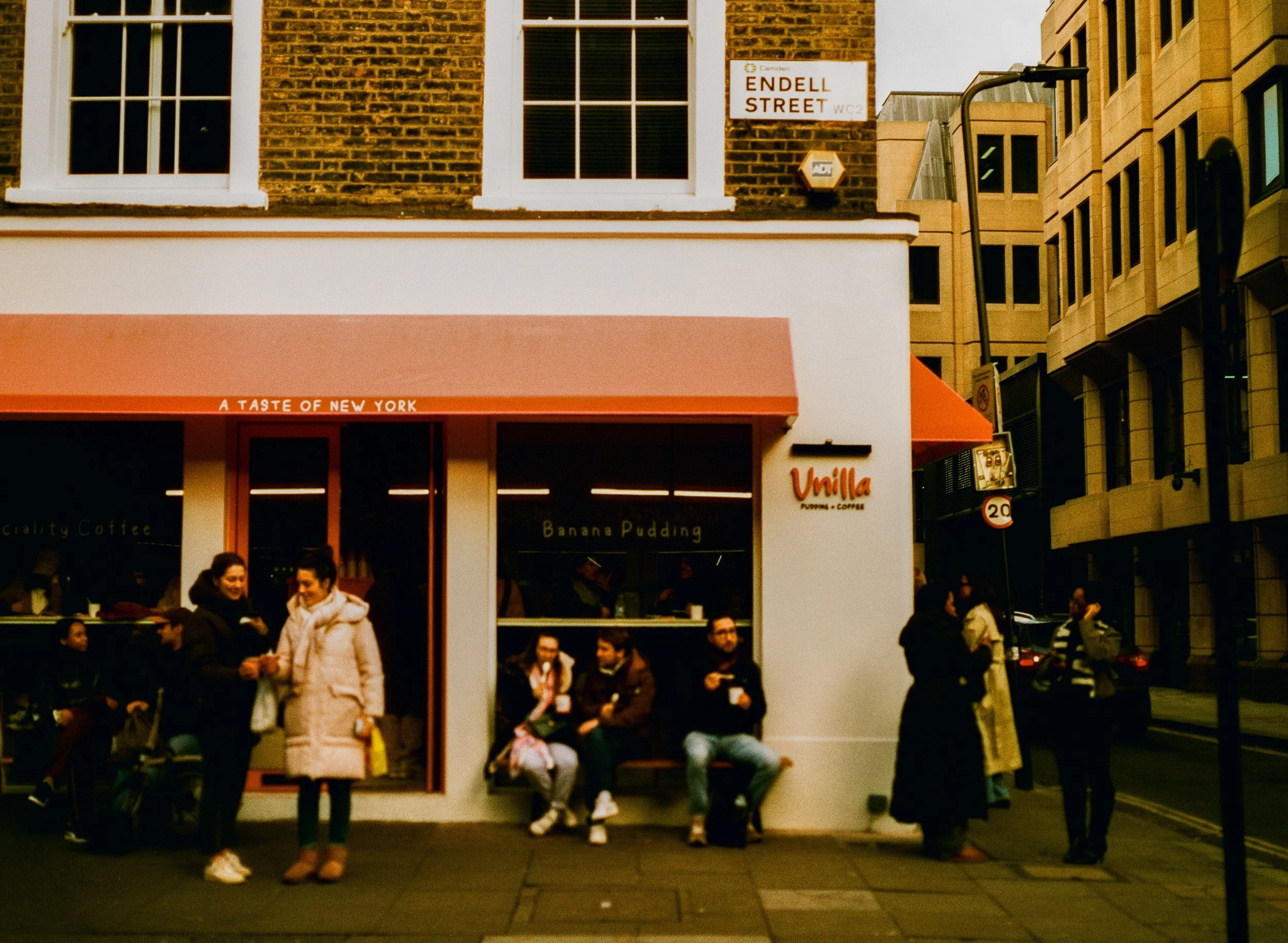
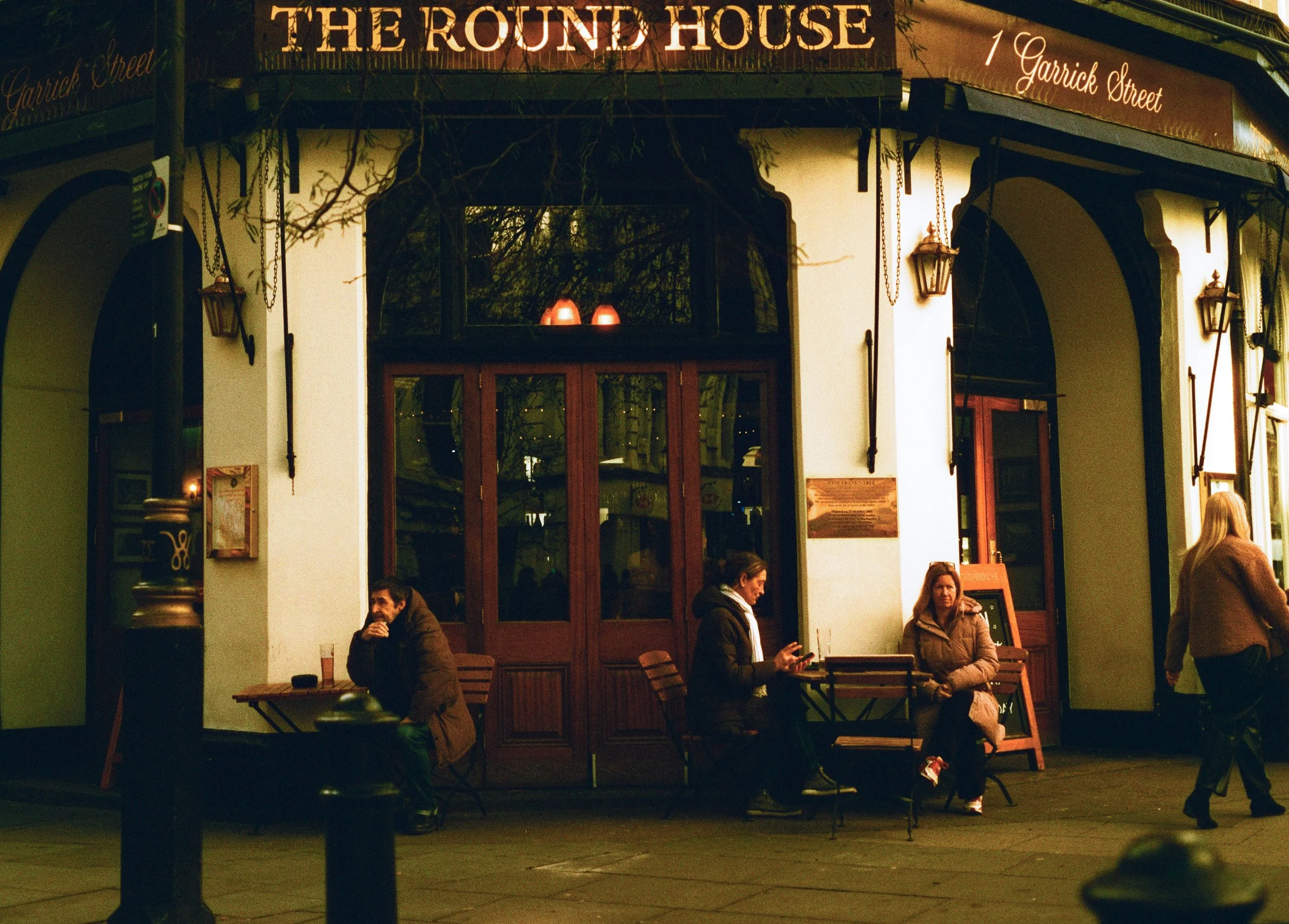
Below are a few shots from London. For clarity, these are from the Phoenix roll I slightly messed up. That said, there’s one frame I’m particularly happy with; the Roundhouse Pub. Not just for the composition, but for the process. I stood there for a while waiting for the moment because people kept stepping in front of the camera.
Which, I suppose, proves my theory. Most people didn’t even realise a photograph was being taken.
So where do we go from here? I think it’s another trip to London. I’d happily use it as an excuse to spend more time at The Barbican. Regroup and see if I can consistently shoot some rolls back to back that I’m happy with, maybe then a trip to New York is on the cards.
If you’d like to take a look at Vivian Maier’s work you can do so here. If you can go to an exhibition also, I’d highly recommend it. Failing that, I purchased a beautiful coffee table book back in 2022. If you ask nicely I’ll happily show you it!
Some of my favorite shots include:
1.New York NY
2.New York NY
3.New York NY - if this was ever realised in print, I’d love to have it on my wall.